Dream of stepping onto desert trails minutes from your front door? If you love sunrise hikes, big-sky sunsets, and low‑maintenance desert living, McDowell Mountain Ranch puts you close to everything people prize about the McDowell mountain foothills. In this guide, you’ll learn how trail access works, what home styles and HOAs typically look like, and how micro‑location affects daily life and resale value. You’ll also get a practical checklist to use when touring view lots and evaluating trail proximity. Let’s dive in.
The setting and lifestyle
McDowell Mountain Ranch sits along the urban edge of the McDowell mountain range in the Phoenix metro area. The community fronts desert terrain linked to public open space, including the Scottsdale‑managed McDowell Sonoran Preserve and nearby regional parks. That setting supports hiking, mountain biking, trail running, rock scrambling, and scenic drives.
If you want an outdoor‑forward lifestyle, this location makes it easy to build your day around the weather. Many residents prioritize year‑round trail access, indoor‑outdoor living, and low‑water desert landscaping. Clear mornings, vivid sunsets, and thoughtful patio design make time at home feel like time in nature.
Trailhead access and outdoor rhythm
Walkable vs. drive‑to access
For some homes, trailheads are a short stroll away. Others require a quick drive to official access points. Walkable access is a major convenience, but there are tradeoffs. Properties close to trailheads can see more foot and bike activity, occasional parking overflow, and extra noise when the area is busy.
If your favorite trail requires a drive, factor in parking and timing. In summer, most activity shifts to early mornings and evenings, so planning ahead helps. Confirm which trailheads are truly closest to any address you are evaluating and whether access is via public paths or requires crossing busier streets.
Seasonal and safety considerations
Desert seasons shape how and when you hit the trails. Summer heat, dehydration risk, and monsoon storms are real factors. Many residents adapt with dawn hikes, shaded patios, and hydration habits. Wildlife is part of desert life too. Rattlesnakes, javelina, and coyotes are common, so it pays to learn simple safety practices and design your yard with awareness.
Wildfire preparedness can also matter along desert edges. Ask about defensible‑space guidelines for your specific address and who enforces them in your area. These small steps help keep outdoor living safe and enjoyable year‑round.
Parking and community impact
Popular trailheads attract visitors, especially on weekends. Before you buy, observe parking and staging patterns near any home you are touring. Look for clear signage, restroom facilities, and whether adjacent streets allow overflow parking. This helps you anticipate weekend rhythms and decide what level of nearby activity fits your lifestyle.
Home styles and community amenities
Typical architecture and lots
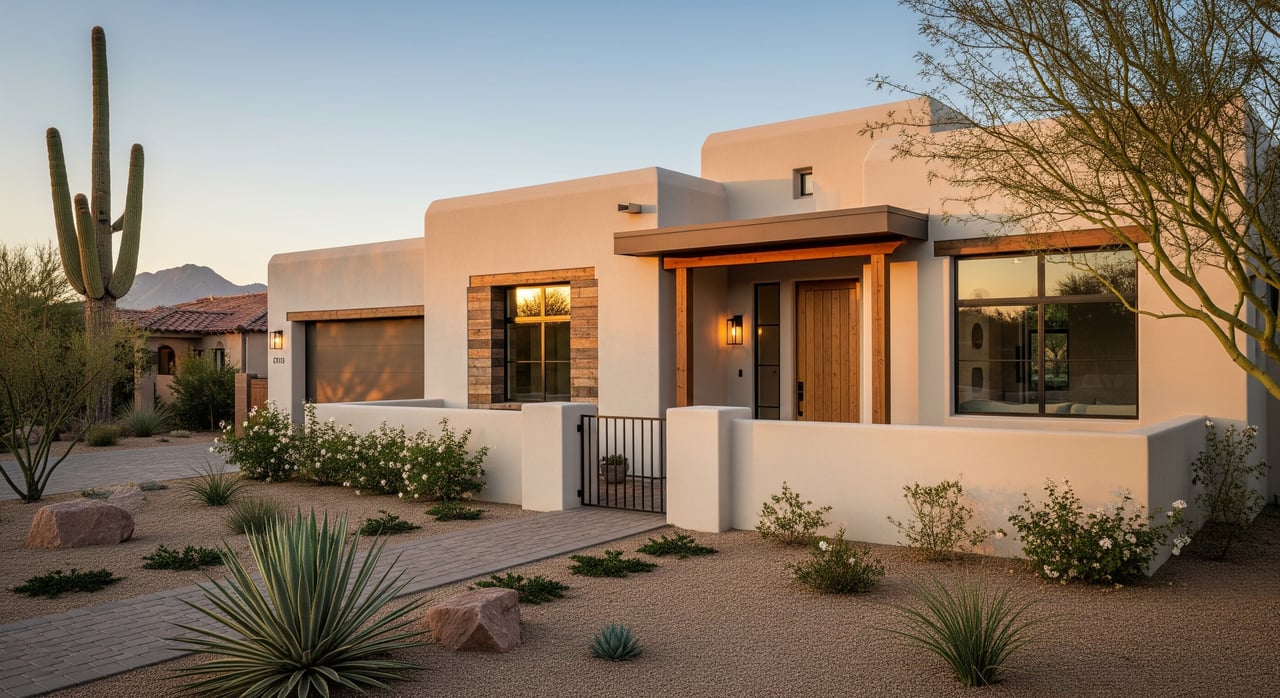
Homes in McDowell Mountain Ranch were primarily built in the 1990s and 2000s with Southwestern, Spanish, and Pueblo Revival influences. Expect stucco exteriors, clay or barrel tile roofs, and covered patios that anchor indoor‑outdoor living. Many properties feature built‑in BBQs and low‑water landscaping that highlight the desert setting.
Lot types range from smaller infill parcels to larger semi‑custom view lots along ridgelines. You will see both one‑ and two‑story homes. Ridge or raised lots tend to deliver panoramic vistas, while mid‑slope or valley lots may trade some view depth for privacy and a cooler microclimate.
HOA structures and rules
Most neighborhoods here are governed by a master HOA and, in many cases, a sub‑association for gated enclaves or custom sections. Common rules address exterior paint colors, roof materials, fencing types, front‑yard desert landscaping standards, and visible storage of RVs or boats. Some associations require architectural review board approval for hardscape, landscape structures, or exterior changes.
Amenities vary widely. Many communities offer pools, parks, walking paths, and playgrounds. Others include fitness centers, tennis or pickleball, or access to nearby golf. HOA fees differ depending on the amenity package, and some associations may have capital improvement assessments from time to time. If you plan to rent the home, verify any short‑term rental restrictions or minimum lease terms.
Golf and nearby amenities
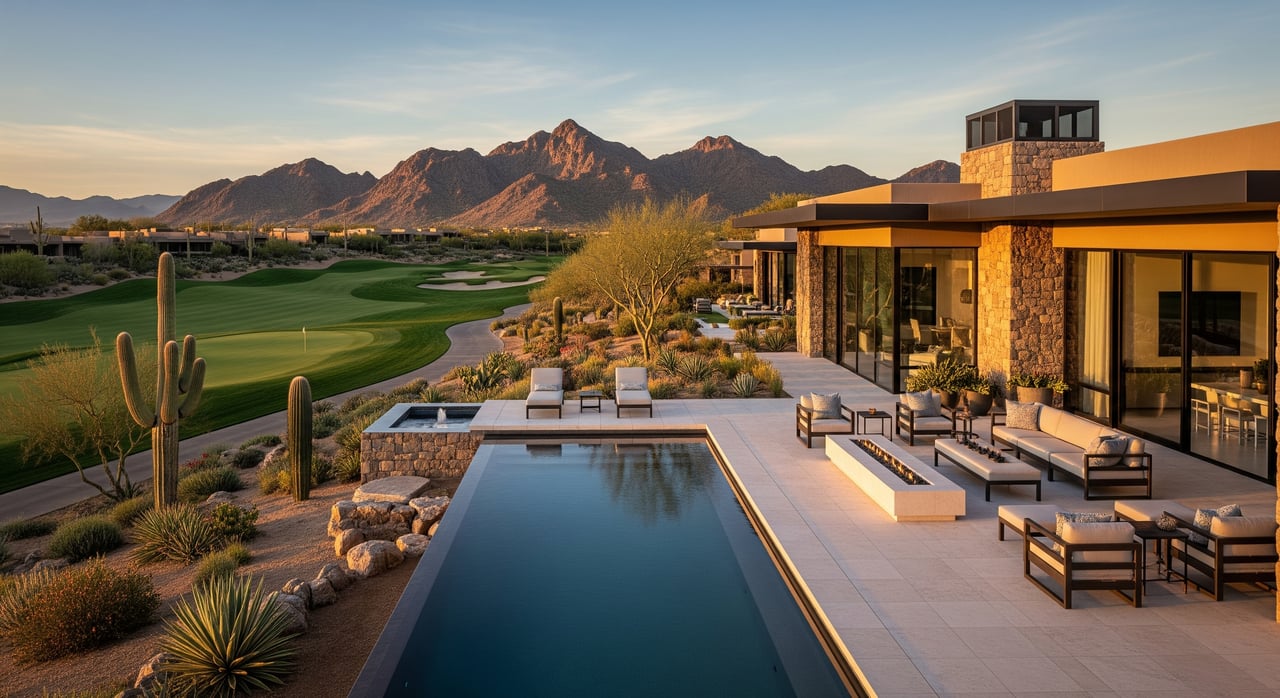
Some nearby neighborhoods include or border golf courses or private clubs. Confirm whether access is public or membership‑based, and consider potential maintenance or event noise if your lot lines up with a course. The broader area blends desert tranquility with convenient services, so you can enjoy trail mornings and be back to daily errands in minutes.
Micro‑location factors that matter
Proximity to trailheads
Direct access, such as a backyard gate to a public path or a quick five‑minute walk, is highly desirable for many buyers. That convenience can come with more pedestrian activity and parking pressure, so consider whether the tradeoffs align with how you live. If you prefer quiet afternoons on the patio, a slightly more removed location might suit you better.
Lot elevation and sun exposure
Elevation and orientation affect both comfort and resale appeal. West and southwest exposures often deliver striking sunsets and city‑light views but can take on more daytime heat. East‑facing lots enjoy softer morning sun and cooler afternoons. Ridge lots capture big vistas and breezes, while mid‑slope locations may offer more shelter and privacy.
Street type and noise
Cul‑de‑sacs and low‑traffic side streets typically feel quieter and reduce drive‑by activity. Homes near arterials or collector roads may experience more noise and reduced privacy when enjoying outdoor spaces. Walk the block at different times of day to understand patterns before you decide.
Washes, drainage, and flood risk
Many lots back to natural desert washes that are dry most of the year. During monsoon storms, washes convey water and can change the soundscape around your home. Review county drainage records and FEMA maps, and confirm any easements that affect fences, landscaping, or future improvements.
Privacy vs. visibility
Highly visible locations, such as corner or ridgefront lots, often command premiums for views and architectural presence. They may also need thoughtful privacy landscaping and maintenance. Mid‑block lots can trade some view depth for a more tucked‑in feel.
Resale drivers near the Preserve
Views and trail proximity premiums
Unobstructed mountain views and reliable trail access are powerful value drivers. The premium depends on the exact street, elevation, and sightlines. The best way to quantify it is with recent comparable sales that match view orientation, trail proximity, and lot type over the last 6 to 12 months. Avoid broad neighborhood averages when you are evaluating a specific home.
Long‑term protections and change
Not all views are permanent. Trees grow, infill happens, and land management policies evolve. The McDowell Sonoran Preserve and regional parks provide meaningful open‑space protections, but nearby private parcels can still develop under local zoning. Check city or county planning for pending projects that could influence views or trail usage patterns over time.
Your on‑site tour checklist
Use this quick, field‑ready list when touring lots and homes near the Preserve.
Views and sightlines
- Walk the property in morning and near sunset to see how light and shadows change.
- Note potential obstructions, including neighboring rooflines, mature trees, and utility elements.
Orientation and comfort
- Identify the home’s primary exposure for patios and main living areas.
- Feel for prevailing breezes and afternoon heat load.
Topography and buildability
- For vacant or semi‑custom lots, review slope, cut/fill needs, and any soils reports.
- Confirm setback lines and easements on the plat.
Utilities and infrastructure
- Locate transformers, water meters, sewer connections, and above‑ground lines.
- Verify utility corridors that may affect landscaping or pool placement.
Trail proximity and access
- Measure actual walking minutes to the nearest official trailhead.
- Observe parking and weekend staging to gauge activity intensity.
Noise, light, and privacy
- Listen for traffic and trailhead noise at different times.
- Check night sky brightness and adjacent lighting.
Wildlife, vegetation, and defensible space
- Ask about local guidance for wildfire preparedness and brush clearance.
- Evaluate yard design for safe coexistence with native wildlife.
Drainage and flood considerations
- Look for erosion, water lines in washes, or standing water after storms.
- Review FEMA and county drainage information for the address.
HOA and ARB guardrails
- Read CC&Rs, recent meeting minutes, and architectural review outcomes.
- Confirm rules on exterior colors, fencing, solar arrays, and visible equipment.
Neighbor uses and activity
- Note nearby uses that could affect enjoyment or resale.
- Ask for recent surveys, title exceptions, and any known encroachments.
How MCK Partners helps you move with confidence
Choosing the right home near the Preserve takes local insight and clear communication. MCK Realty Partners pairs neighborhood‑level expertise with polished, media‑forward marketing and the operational reach of Keller Williams Arizona Realty. You get responsive guidance, data‑driven valuation, and professional listing presentation when you sell.
For buyers, we focus on the details that matter: trail access, view orientation, HOA rules, and conservation context that could impact long‑term value. For sellers, we craft a narrative that showcases outdoor living, views, and amenity advantages to the right audience. Whether you need buyer representation, full‑service listing support, private listing placement and matching, valuation consultations, or skilled negotiation and transaction management, you will have a clear plan from search to close.
Ready to explore homes near the Preserve or position yours for the best result? Connect with MCK Partners for local guidance and next‑level marketing.
FAQs
Which trailheads are closest to McDowell Mountain Ranch?
- Proximity varies by address; verify the nearest official access points and permitted uses with current maps for the McDowell Sonoran Preserve and nearby regional parks.
Are mountain views guaranteed to last forever in this area?
- No; views can change due to new development, tree growth, or policy shifts; check zoning, conservation status, and any pending land‑use applications for nearby parcels.
How much does a view premium add to price near the Preserve?
- It depends; use recent comparable sales that match view depth, orientation, and trail proximity on the same or similar streets over the last 6–12 months.
What HOA rules commonly affect outdoor improvements here?
- Expect guidelines on exterior paint palettes, fencing, visible solar or satellite equipment, front‑yard desert landscaping standards, and approvals for hardscape structures.
What seasonal and wildlife factors should I plan for?
- Prepare for summer heat and monsoon storms, hike during cooler hours, stay hydrated, and learn wildlife safety basics for rattlesnakes, javelina, and coyotes.