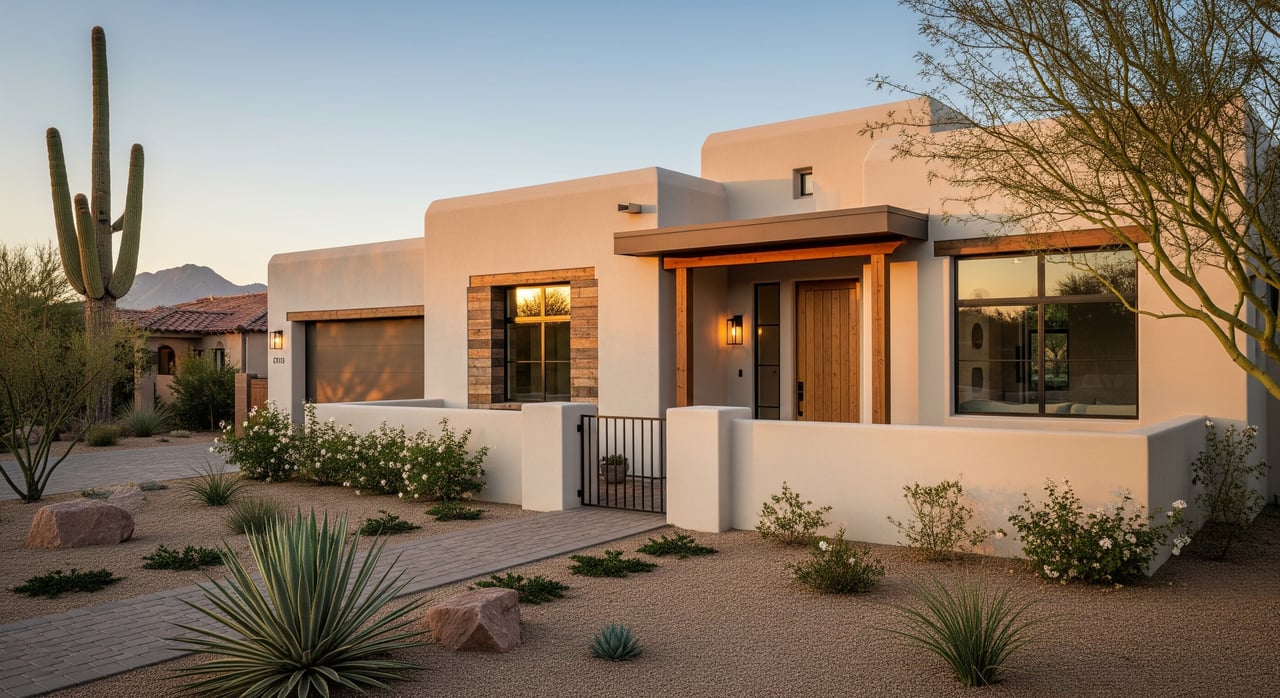
Buying your first home in Phoenix can feel exciting and overwhelming at the same time. You have a lot to balance, from budget and commute to space, HOA fees, and lifestyle. This guide shows you where many first-time buyers start their search, what tradeoffs to expect, and how to check the latest data before you make a move. Let’s dive in.
How far your budget goes
Condos and townhomes are often the lowest cash entry into ownership in central Phoenix. You get an urban location and convenience, but you should factor HOA dues and possible parking limitations into your monthly budget.
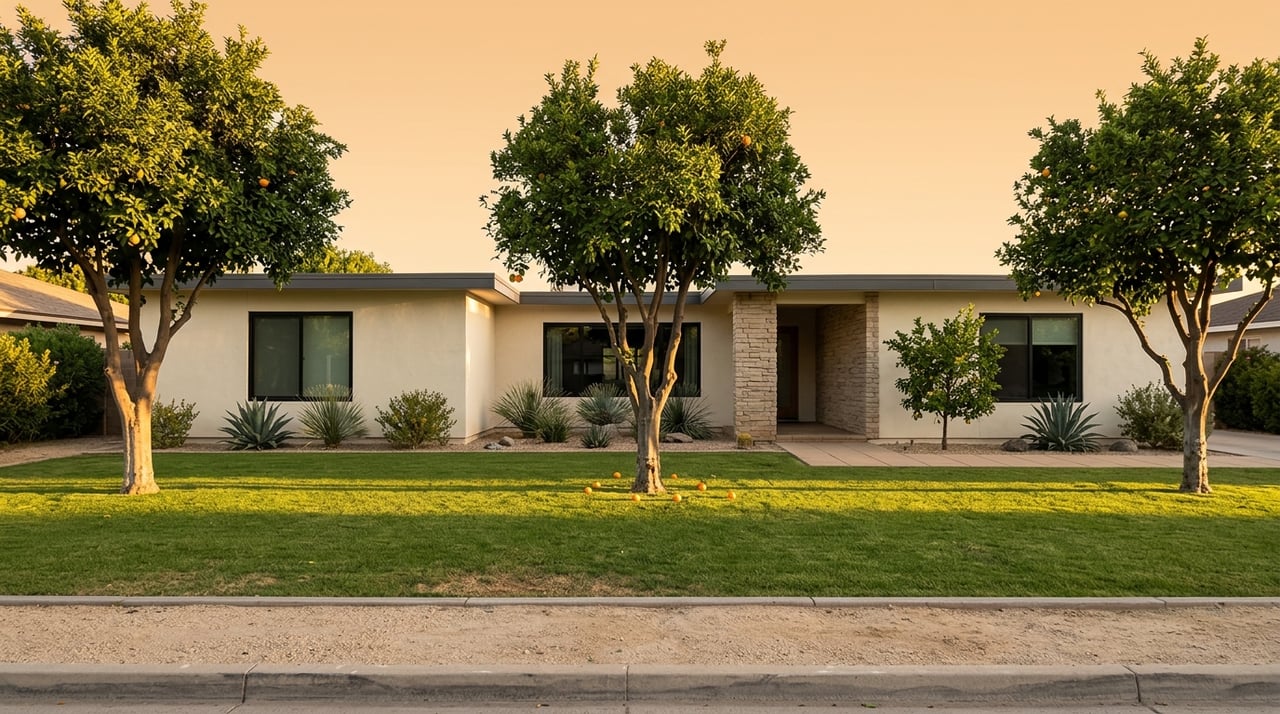
Smaller, older single-family homes appear in several near-central pockets. Many are midcentury ranches or bungalows on modest lots. They can be attainable entry points, but repairs and updates may be needed.
Newer production homes on the city’s south and west edges usually offer more square footage and larger yards. You often trade a longer commute for more space and newer systems, and some communities include HOA fees for shared amenities.
Price sensitivity varies by area. Central, walkable neighborhoods tend to hold demand, while fringe areas can see larger swings when new construction ramps up. Recent years saw strong appreciation followed by a cooler phase as rates rose, which aligns with broad trends reported by the Redfin Data Center and Zillow Research’s Home Value Index.
Commute and transportation basics
Phoenix commuting revolves around I-10, I-17, Loop 101, and Loop 202. Expect congestion at peak hours on the major corridors.
If you value transit, the Valley Metro Rail connects north-south through central Phoenix and east into Tempe and Mesa. Neighborhoods along Central Avenue and near station stops typically benefit from that access. You can review routes on the Valley Metro Rail map and schedules.
Plan a test commute during rush hour and check bus frequency if you intend to rely on transit. Proximity to freeway ramps can also make a noticeable difference day to day.
Phoenix neighborhoods to start your search
Below are Phoenix neighborhoods that often work for first-time buyers. Use these as a short list to explore, then verify current prices and inventory before you write an offer.
West Phoenix — Maryvale
Location and housing: West Phoenix between I-10 and the western city limits. Mostly midcentury single-family homes on smaller lots.
Good for: Buyers who want more interior space than a condo at an attainable price point.
Commute: Direct access to I-10 for downtown. Times vary with peak traffic.
- Pros: Lower price per square foot, single-family living, straightforward freeway access.
- Considerations: Some homes need renovation, retail and entertainment options are more limited in spots, school ratings vary by campus.
Laveen and South Phoenix
Location and housing: South and southwest Phoenix, including newer subdivisions mixed with older rural properties and infill.
Good for: Space and yard seekers who want newer systems and family-friendly streets.
Commute: Longer drive to downtown, Tempe, and Scottsdale. Limited direct light rail access.
- Pros: Newer construction options, larger lots, generally lower price per square foot than central areas.
- Considerations: Fewer urban amenities, longer commutes, some communities include HOA fees.
Alhambra and Grand Avenue corridor
Location and housing: Near-central west of downtown. Older bungalows, midcentury homes, some duplexes, and newer infill townhomes along Grand Avenue.
Good for: Buyers who want quick access to downtown with a mix of housing types.
Commute: Short drives to central employers and close to light rail corridors.
- Pros: Close to downtown amenities, walkable pockets, active commercial redevelopment.
- Considerations: Older homes may need updates, block-to-block character varies, parking and lot sizes can be modest.
Midtown, Encanto, and north of downtown
Location and housing: Along the Central Avenue corridor just north of downtown. Historic bungalows, midcentury homes, condos, and modern townhomes.
Good for: Urban lifestyle with parks, culture, and transit.
Commute: Excellent. Light rail access and quick trips to medical centers and downtown.
- Pros: Walkability, Encanto Park access, cultural venues and dining nearby.
- Considerations: Higher price per square foot on desirable blocks, smaller lots, HOA dues for condos.
Coronado, Garfield, and Roosevelt Row fringes
Location and housing: East and south of downtown near the Arts District. Older modest bungalows plus scattered condos and townhomes.
Good for: Buyers who want proximity to restaurants, nightlife, and creative energy.
Commute: Very convenient to downtown and light rail.
- Pros: Close to cultural venues, potential rental demand in the future, lively street life in nearby corridors.
- Considerations: Conditions can vary block to block, renovation needs are common, street parking norms vary by street.
Sunnyslope and North Central pockets
Location and housing: North of downtown near North Mountain. Mix of small single-family homes and some newer infill townhouses.
Good for: Buyers who want a community feel and quick access to outdoor recreation.
Commute: Reasonable drives to central Phoenix. Freeway access is good, limited direct light rail.
- Pros: Established neighborhoods, access to North Mountain recreation, varied housing types.
- Considerations: Quality varies by block, older systems in some homes, research specific streets carefully.
Downtown condos and infill townhomes
Location and housing: Central core of Downtown Phoenix. Condos, loft conversions, and compact townhomes.
Good for: Walkability, short commutes to downtown employers, and a lock-and-leave lifestyle.
Commute: Best transit access with light rail and bus connections.
- Pros: Car-light lifestyle, dining and entertainment nearby, newer buildings in some cases.
- Considerations: HOA dues, smaller living spaces, review association financials and parking arrangements carefully.
How to decide: quick checklist
- Budget the full monthly number: mortgage principal and interest, property taxes, homeowner’s insurance, HOA dues if applicable, utilities, and a maintenance reserve.
- Commute tolerance: drive your route at rush hour and compare transit options using the Valley Metro map.
- Lifestyle priorities: space and yard versus walkability and amenities. Be honest about what you will use daily.
- Renovation appetite: many affordable single-family homes are older. Plan for inspection, repairs, and upgrades.
- Schools: review official performance data through the Arizona Department of Education. Visit potential campuses to understand programs and offerings.
- HOA comfort level: for condos and some subdivisions, review rules, fees, reserves, and meeting minutes before you commit.
- Safety and services: use the Phoenix Police crime tools and visit at different times of day to understand traffic, lighting, and activity.
- Long-term resale: proximity to transit, employment centers, and stable surrounding blocks can support value over time.
Key resources for up-to-date info
- For market trends and recent sale activity, review the Redfin Data Center and the Zillow Home Value Index.
- For HOA and tax planning, check parcels with the Maricopa County Assessor.
- For neighborhood planning details and maps, see the City of Phoenix Planning and Development resources.
- For light rail routes and frequency, use the Valley Metro Rail map and schedules.
- For down payment assistance and first-time buyer programs, start at the Arizona Department of Housing.
- For school performance data, search the Arizona Department of Education report cards.
- For neighborhood crime data, use the Phoenix Police crime stats and maps.
- For commuting patterns and demographics, explore the U.S. Census Bureau’s American Community Survey.
Ready to tour homes?
If you want a clear short list that matches your budget, commute, and lifestyle, let’s talk. As a local advisor focused on Phoenix and Scottsdale micro-markets, I will help you compare condos, townhomes, and single-family options, verify today’s numbers, and move quickly when the right home appears. Connect with MCK Partners for a personalized plan, on- and off-market options, and fast next steps.
FAQs
How far does a first-time buyer budget go in Phoenix?
- Most buyers start with condos or townhomes in central areas, small single-family homes in select pockets, or larger homes on the south and west edges. Always verify current prices with MLS data.
Is a condo near downtown better than a house on the edge?
- It depends on your priorities. Condos offer convenience and transit access, while edge neighborhoods trade a longer commute for more space and yards. Compare HOA dues and driving time.
What should I know about Phoenix commute times?
- Peak-hour congestion is common on I-10, I-17, and the loops. Light rail helps along Central Avenue and into Tempe and Mesa. Test your route during rush hour before you buy.
Are there first-time buyer assistance programs in Arizona?
- Yes. Review down payment and mortgage assistance options through the Arizona Department of Housing and confirm eligibility and availability directly with program administrators.
How should I evaluate schools when choosing a neighborhood?
- Use official performance sources like the Arizona Department of Education report cards, then visit schools to learn about programs, schedules, and enrollment. School priorities can affect both your search and resale.