Looking for space, privacy, and a true luxury desert setting? Paradise Valley offers a lifestyle that feels quieter and more residential than many nearby areas, while still keeping you close to Scottsdale’s dining, shopping, and culture. If you are wondering whether this well-known town fits your goals, this guide will walk you through what daily life, housing, amenities, and the local real estate landscape are really like. Let’s dive in.
Paradise Valley at a Glance
Paradise Valley is a small town in Maricopa County with about 12,500 residents spread across 15.4 square miles. The town was incorporated in 1961, and its planning vision still emphasizes low-density residential living, natural open space, and a limited-government approach.
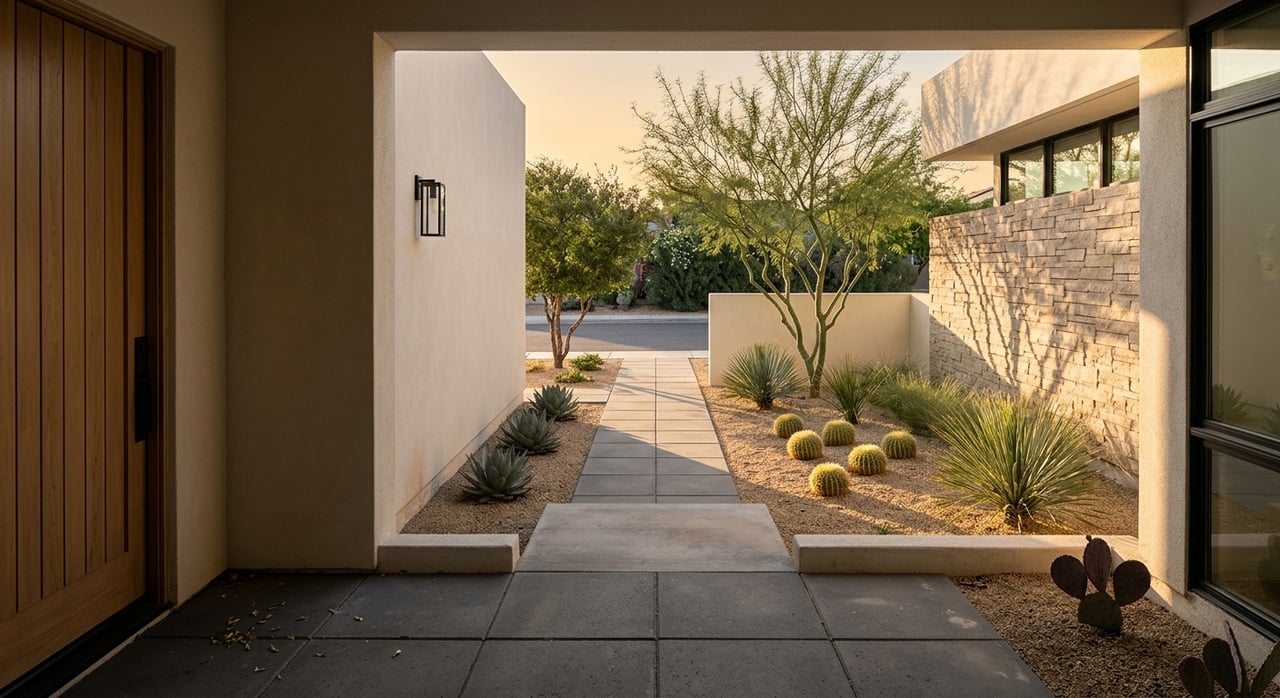
That focus shapes the feel of the community today. Paradise Valley is known for quiet surroundings, large residential lots, and a more private, country-like setting than you will find in many other parts of the Phoenix metro.
A Quiet, Low-Density Lifestyle
One of the clearest things you notice about living in Paradise Valley is what is not there. You will not find a dense town core, heavy commercial buildout, or the faster pace that comes with more urban neighborhoods.
Instead, the town has deliberately protected a primarily one-acre residential pattern. Its history and planning documents show a long-standing commitment to preserving a low-density, well-maintained, and largely residential environment.
For many buyers, that is the main appeal. If you value peace, separation between homes, and a setting that feels tucked away, Paradise Valley stands out.
Homes and Lot Sizes in Paradise Valley
Paradise Valley is overwhelmingly single-family in character. According to the town’s 2022 General Plan, single-family residential uses make up 75.94% of the planning area, while open space accounts for 10.73%.
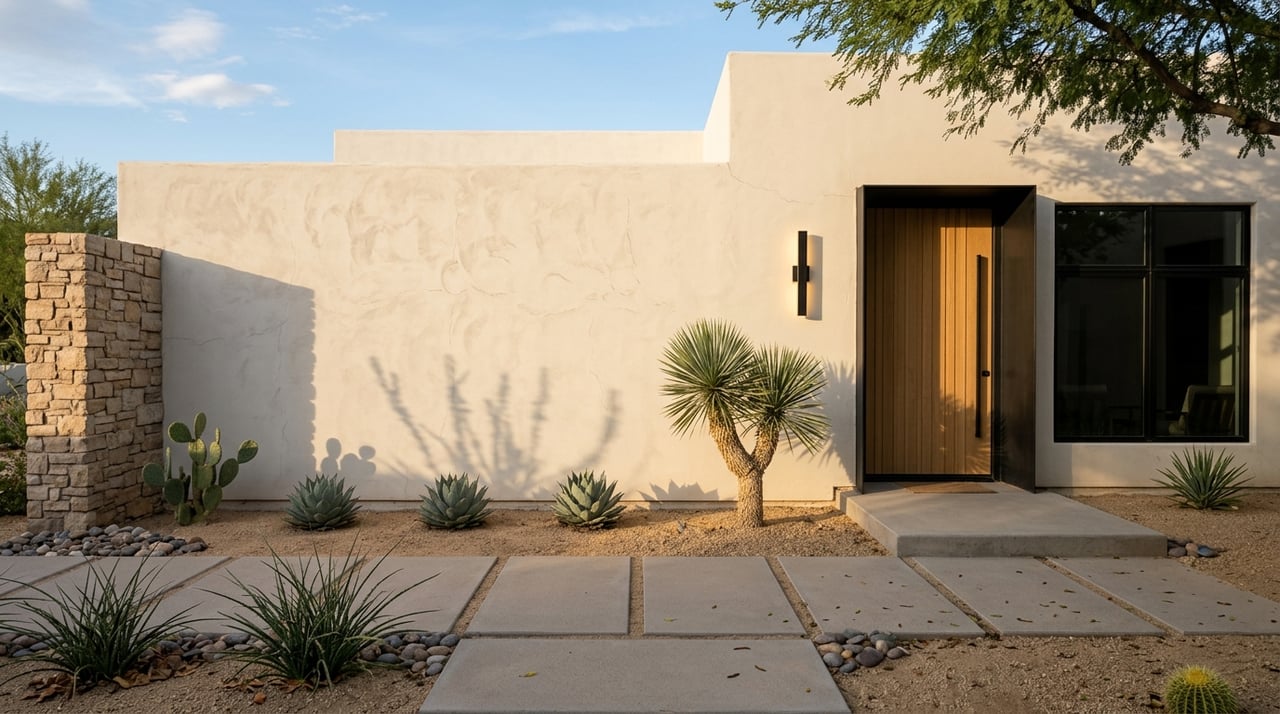
Historically, homes here were often built on one- to five-acre parcels. That legacy still influences the town’s character, with many properties offering larger lots and a sense of space that can be hard to find elsewhere in the Valley.
Only 5.2% of the planning area remains undeveloped. In practical terms, that means you are more likely to see remodels, custom rebuilds, and infill opportunities than large new subdivisions.
What the Housing Market Feels Like
If you are considering a move, it helps to know that Paradise Valley is a high-end market with meaningful inventory. Recent market snapshots point to a luxury segment where buyers often have options, but where pricing and presentation still matter.
In March 2026, Realtor.com described Paradise Valley as a balanced market with about 372 homes for sale, a median 75 days on market, and a 95% sale-to-list ratio. Redfin reported a trailing three-month median sale price of $4.6 million and median days on market of 69, calling the market somewhat competitive.
That combination can create a more measured pace than in tighter inventory markets. For buyers, it may mean more room to compare properties carefully. For sellers, it reinforces the importance of strong pricing, polished marketing, and a strategy tailored to this luxury audience.
The Daily Lifestyle: Resort Living Meets Desert Calm
Paradise Valley has a resort presence built right into the town. According to the town, it is home to 9 resorts, 3 golf courses, 4 medical centers, and 11 public and private schools.
That gives daily life a distinct feel. Even if you are not staying at a resort, the surrounding environment often includes spa culture, golf, mountain views, dining destinations, and beautifully maintained desert landscapes.
The town’s climate also plays a big role in how people live here. Paradise Valley reports 294 sunny days each year, zero snowfall, an average July high of 104°F, and an average January low of 35.9°F.
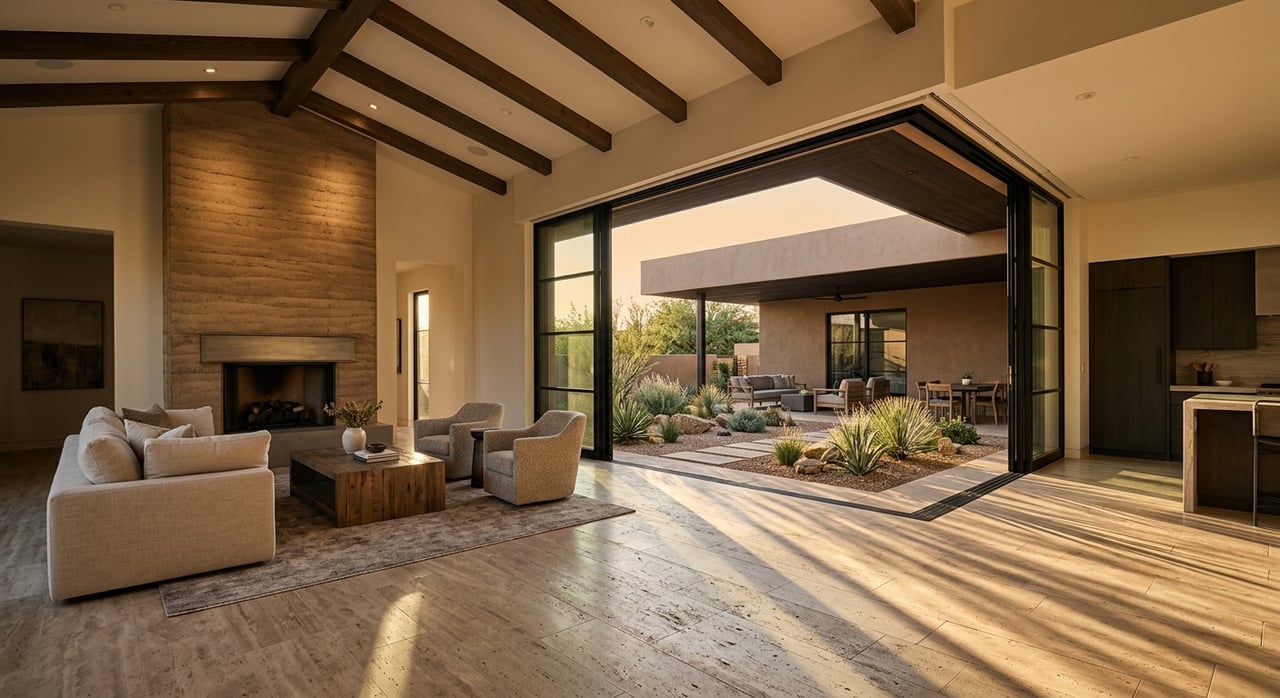
Because of that, outdoor living becomes part of the routine. Pools, covered patios, early-morning walks, and evening time outside are often central to the lifestyle.
Outdoor Access and Scenic Surroundings
Paradise Valley is framed by some of the region’s most recognizable desert scenery. Camelback Mountain, the Phoenix Mountain Preserve, and the McDowell Mountains all help shape the look and feel of the town.
There is also a strong emphasis on preserving scenic land. The Paradise Valley Mountain Preserve Trust protects mountain land and desert areas, including about 320 acres atop Mummy Mountain.
For residents, that means views and open desert character are not just marketing language. They are a real part of everyday living in the area.
Dining, Golf, and Nearby Scottsdale Access
While Paradise Valley is intentionally quiet, it is not isolated. One of its biggest advantages is how easily you can access Scottsdale amenities while coming home to a more private residential setting.
Old Town Scottsdale adds a major lifestyle benefit nearby, with more than 100 restaurants, two art museums, more than 30 galleries, public art, nightlife, and Scottsdale Fashion Square. The area also includes the Arts District, Scottsdale Center for the Performing Arts, Scottsdale Museum of Contemporary Art, and the Thursday ArtWalk.
Within Paradise Valley itself, the town highlights resort and dining destinations such as Camelback Inn, Mountain Shadows, Omni Scottsdale Resort & Spa at Montelucia, Sanctuary Camelback Mountain, El Chorro, and Lon’s Restaurant. For many residents, that blend of local resort access and nearby Scottsdale culture is a big part of the draw.
Who Paradise Valley Fits Best
Paradise Valley tends to appeal to buyers who want room to spread out and a home environment that feels calm and established. The area is especially well suited to people looking for privacy, larger lots, and a residential setting with easy access to luxury amenities.
It can also be a strong fit if you want a home base near Scottsdale without living in a busier, more commercial district. You get proximity to restaurants, arts, resorts, and shopping, but your day-to-day setting can feel much quieter.
On the other hand, Paradise Valley may be less natural fit if you want starter-home pricing, a dense mixed-use environment, or a highly walkable town center. The town’s identity is centered on space, low density, and residential character.
A Look at the Resident Profile
Public data paints Paradise Valley as an affluent and established community. Census QuickFacts reports a median household income of $247,159, owner-occupied housing at 95.0%, and a median owner-occupied home value above $2,000,000.
The same data shows that 32.7% of residents are age 65 or older, and the mean travel time to work is 20.7 minutes. Those numbers help explain the town’s stable, ownership-focused feel and its appeal to buyers looking for a longer-term home environment.
Schools and Nearby Education Options
For buyers who want to understand education options near Paradise Valley, the town lists a mix of public and private schools in and around the area. Examples named by the town include Chaparral, Cocopah, Cherokee, Kiva, Mohave, Saguaro, Jones Gordon School, Montessori Academy, Phoenix Country Day School, and Desert View Learning Center.
As with any move, it is smart to confirm current boundaries, enrollment processes, and program details directly with the relevant school or district. What matters most for many buyers is that Paradise Valley offers access to a range of nearby options rather than a single school model.
What Buyers Should Keep in Mind
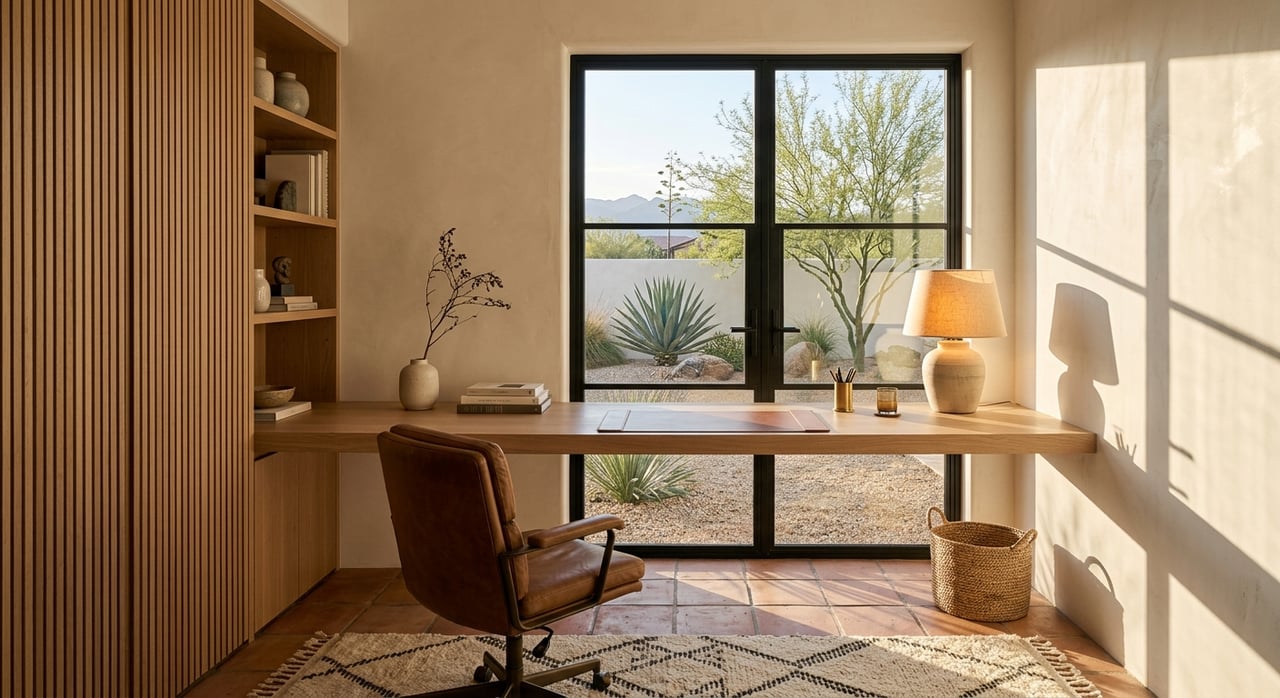
If you are shopping for a home in Paradise Valley, the details matter. Lot orientation, mountain views, privacy, remodel quality, and how a home uses indoor-outdoor space can have a big impact on both lifestyle and value.
Because the town is mostly built out, inventory can include a mix of legacy homes, extensively updated properties, and custom newer construction. That makes local guidance especially useful when you are comparing opportunities that may look similar on paper but feel very different in person.
What Sellers Should Know
If you own a home in Paradise Valley, your property is entering a market where buyers often expect thoughtful presentation and clear positioning. In a balanced luxury market, professional marketing, pricing discipline, and a strong story around the home’s setting and features can make a meaningful difference.
This is also a market where privacy can matter. Depending on the property and your goals, some sellers may benefit from a strategy that considers both broad exposure and private listing opportunities.
If you are thinking about buying or selling in Paradise Valley, working with a local, high-touch team can help you make sense of the market and position your next move with confidence. Connect with MCK Partners for personalized guidance on Paradise Valley homes, pricing, and opportunities.
FAQs
What is daily life like in Paradise Valley, AZ?
- Daily life in Paradise Valley is generally quiet, low-density, and residential, with large lots, desert scenery, resort amenities, and easy access to nearby Scottsdale dining and culture.
What types of homes are common in Paradise Valley?
- Paradise Valley is mostly made up of single-family homes, often on larger lots, with a mix of older homes, remodeled properties, replacement homes, and custom residences.
Is Paradise Valley a good fit for luxury buyers?
- Paradise Valley is often a strong match for luxury buyers who want privacy, space, resort-style surroundings, and close proximity to Scottsdale amenities.
Is Paradise Valley a walkable town center community?
- Paradise Valley is not known for a dense, highly walkable town core. Its character is defined more by residential privacy and low-density living.
What is the Paradise Valley real estate market like?
- Recent data points to a high-end market with meaningful inventory, a balanced to somewhat competitive pace, and median sale prices in the multi-million-dollar range.
Are there schools near Paradise Valley, AZ?
- Yes. The town lists a mix of public and private school options in and around Paradise Valley, including Cherokee, Kiva, Cocopah, Chaparral, Saguaro, Phoenix Country Day School, and others.