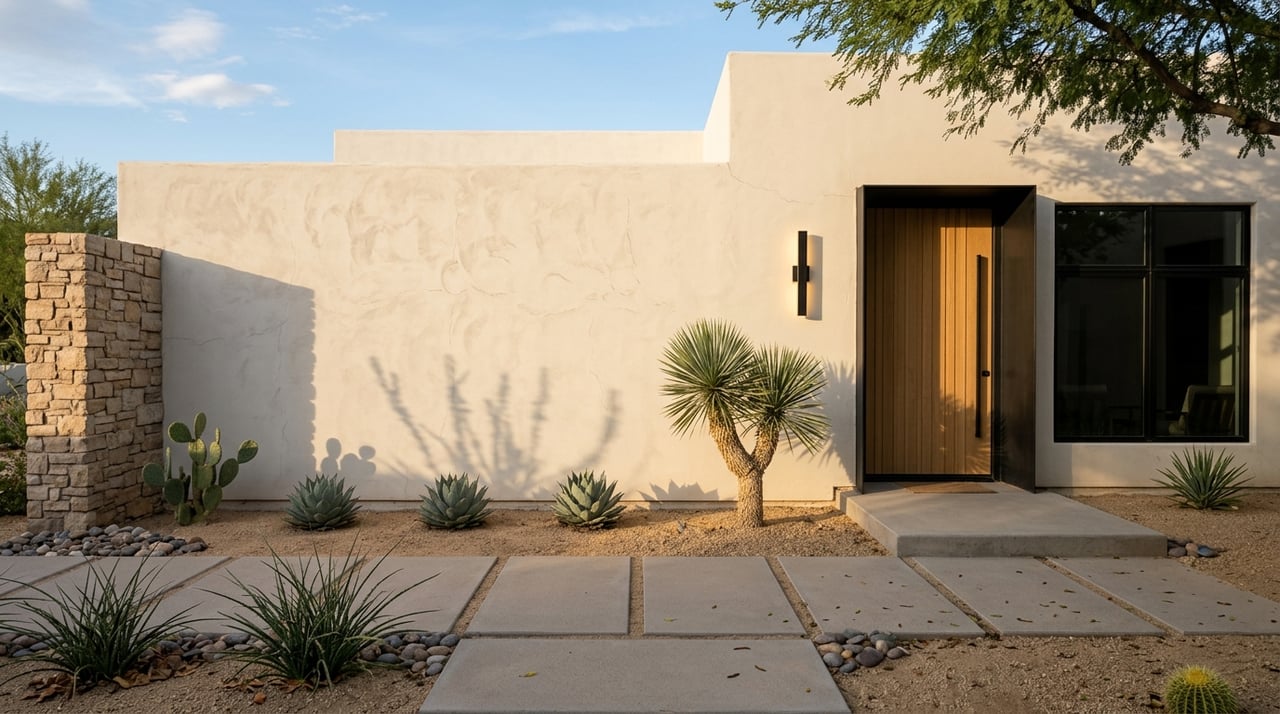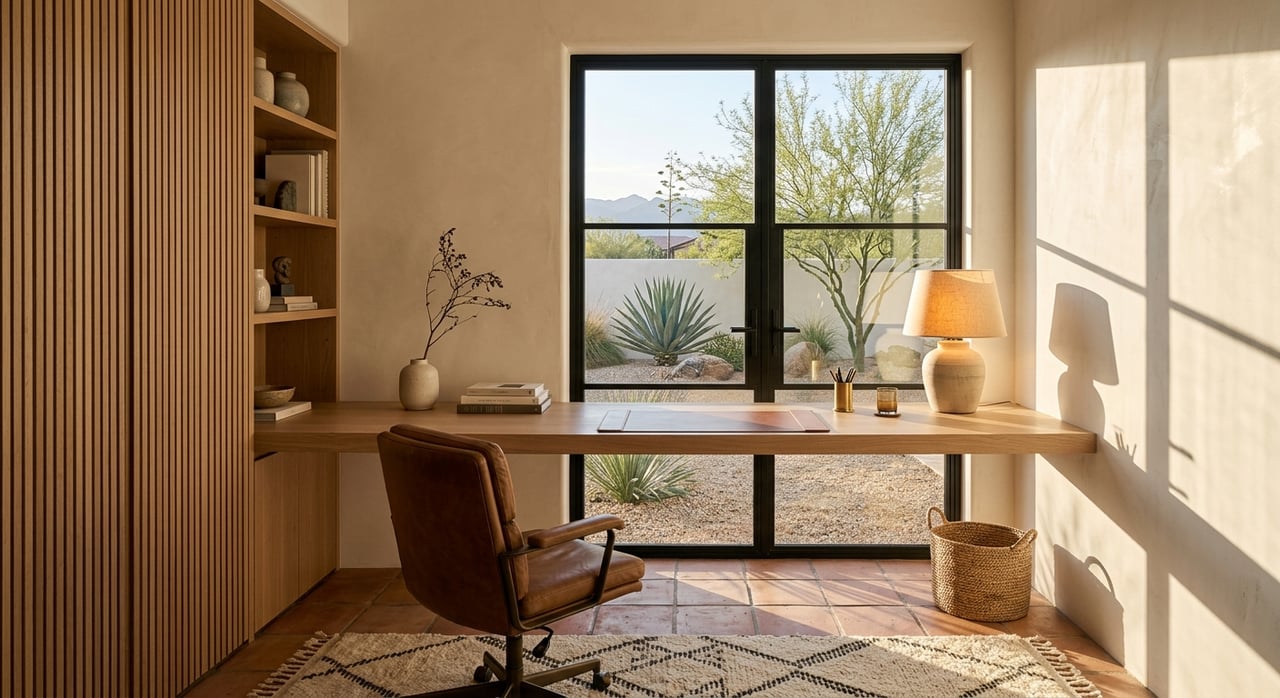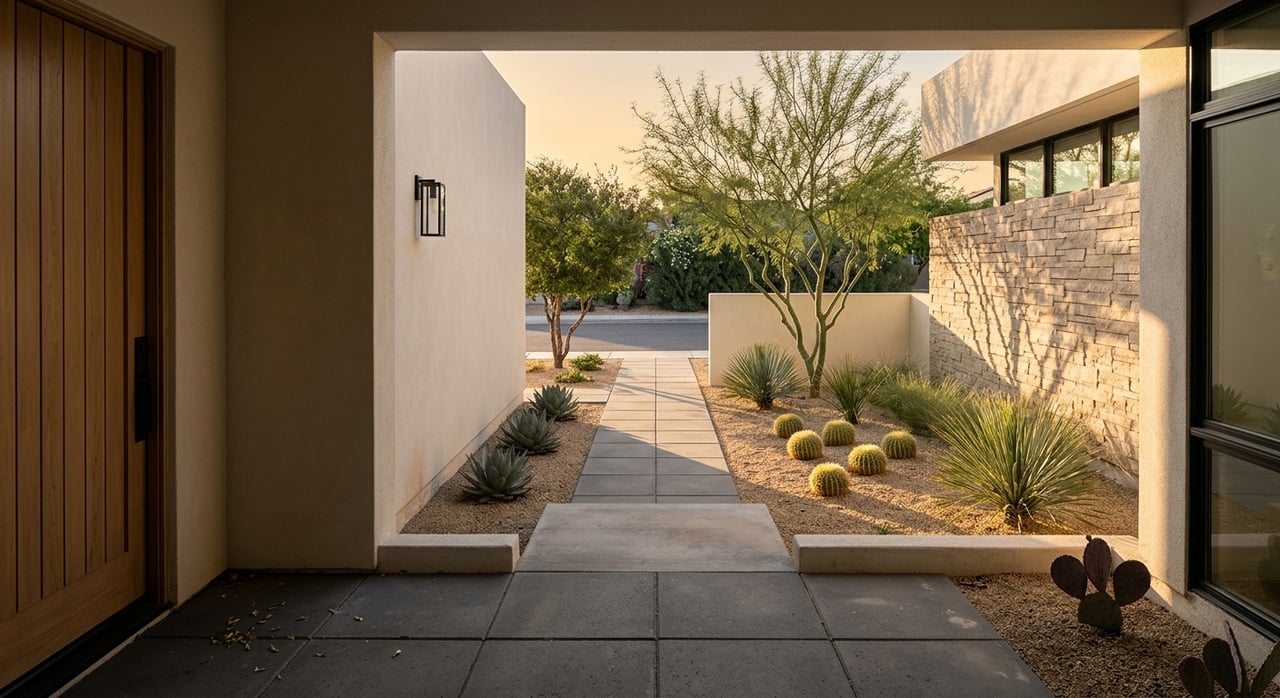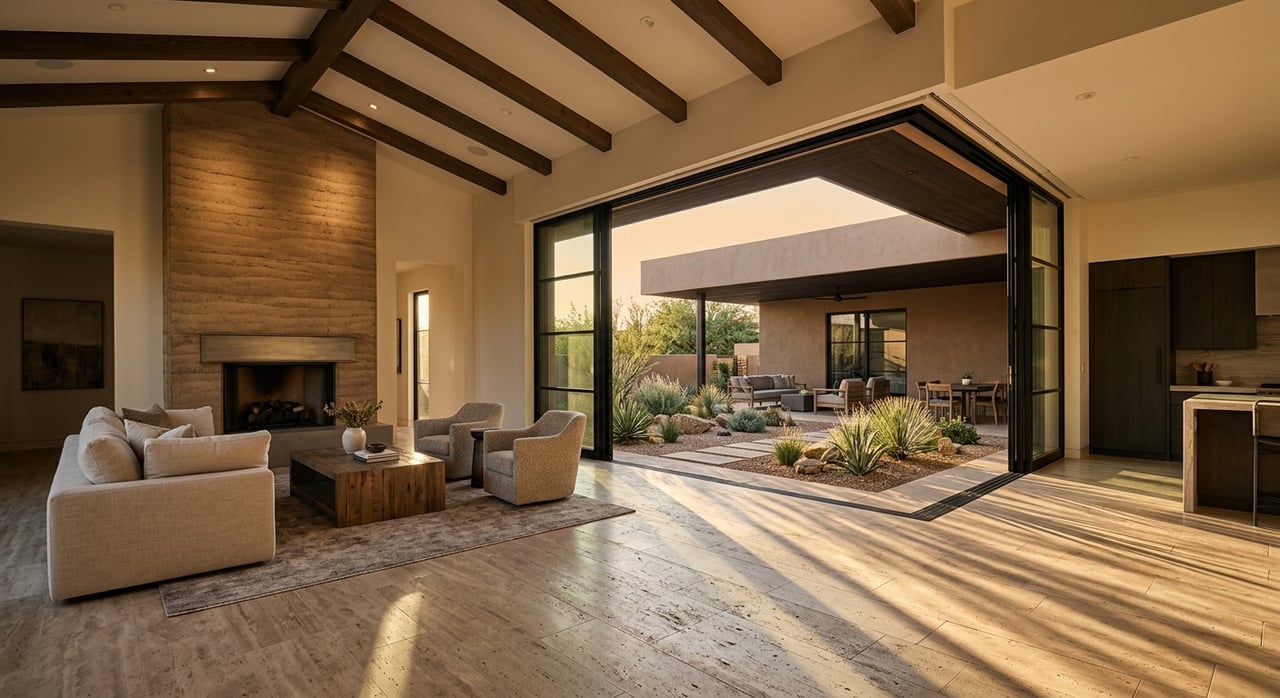
If you price a luxury home in Paradise Valley like a typical Phoenix-area listing, you can miss the mark by a wide margin. This market is highly specific, buyers are selective, and broad county averages do not tell you what your property is really worth. If you are preparing to sell, the right pricing strategy can help you protect value, attract serious interest, and avoid a stale listing. Let’s dive in.
Why Paradise Valley pricing is different
Paradise Valley is not a market where you can lean on simple averages or a quick price-per-square-foot formula. In Q1 2026, ARMLS reported a median sales price of $4.275 million in ZIP code 85253, with an average sales price of $5.536 million. That is far above Maricopa County’s Q1 2026 median sales price of $470,000, which is why countywide comps are not a useful anchor here.
The market also rewards realism. ARMLS reported that sellers received 92.4% of list price on average, with a median 97 days on market. Redfin’s tracker for the three months ending April 2026 showed a $4.623 million median sale price, a 95.5% sale-to-list ratio, and 43.4% of homes with price drops.
That tells you something important from the start. In Paradise Valley, an ambitious launch price can cost you time and negotiating power if it is not backed by real buyer demand.
Start with sold comps, not hopeful comps
When you are setting an asking price, recent sold homes matter more than active listings. Sold comps show what buyers were actually willing to pay, while active listings often reflect seller expectations that may or may not be realistic.
In a market where homes often sell below list price and reductions are common, sold data gives you the clearest baseline. Active competition still matters, but it should be used as context, not as the main pricing tool.
If the best comps are limited, it often makes more sense to widen the time frame before widening the geography. In Paradise Valley, the nearest true match is usually more helpful than a less similar sale from a broader area.
Focus on the right Paradise Valley micro-market
Luxury pricing in Paradise Valley is a micro-market exercise. Two homes with similar square footage can command very different prices based on lot characteristics, views, privacy, and how easily the site can be improved or expanded.
The town’s planning framework helps explain why. Paradise Valley’s 2022 General Plan emphasizes its one-acre residential character, natural open space, aesthetics, and mountain setting. That means site quality is not a side note here. It is often a major part of the value.
Key site factors that affect value
When pricing a home in Paradise Valley, you should separate these value drivers rather than blend them into one rough estimate:
- Lot size, especially one-acre or larger parcels
- Flat lot versus hillside lot
- Mountain views and view corridors
- Privacy and setback from neighboring homes
- Lot shape and overall usability
- Buildability and potential site constraints
- Guest casita or detached guest space
- Pool and outdoor living features
- Garage count
- Renovation level and finish quality
A hillside property, for example, may offer premium views but also involve a more complex use profile. The town’s Hillside Building Committee reviews factors such as land disturbance, height, lighting, grading, drainage, and materials in hillside areas. That can influence how buyers view both present value and future flexibility.
Use price per square foot as a checkpoint
Price per square foot can still be useful, but it should not lead the valuation. Redfin’s Paradise Valley tracker placed the median sale price per square foot at $885. That is a helpful checkpoint, not a complete pricing method.
In this market, two homes with the same interior size may have very different land value. A more private parcel, a better view line, or a stronger outdoor living setup can move the number significantly, even when square footage is similar.
This is one reason luxury pricing needs a layered approach. You are not just pricing the structure. You are pricing the full property experience.
Match your home to the right comp set
The strongest comp set is usually narrow and intentional. For a Paradise Valley luxury listing, that means comparing your home to recently sold properties with similar site profile, architecture, condition, and amenities.
That often includes looking closely at:
- Similar lot sizes
- Similar view exposure
- Similar topography
- Similar renovation or new-build quality
- Similar indoor-outdoor living appeal
- Similar guest accommodations
- Similar privacy profile
A flat, turnkey contemporary on a usable one-acre lot should not be priced the same way as a dated hillside home with a very different build envelope. Even if their square footage looks close on paper, the buyer pool may value them very differently.
Price for today’s buyer, not last year’s headline
Luxury sellers often see high-profile sale numbers and wonder whether they should test the top of the market. In Paradise Valley, that approach can be risky if it ignores current conditions.
The recent numbers point to a market that is not highly competitive. Redfin noted that multiple offers are rare, the average home sells for about 5% below list, and even hot homes can take around 52 days to go pending. That means buyers often have time to compare options, negotiate, and wait for price improvements.
A strong pricing strategy should reflect that reality. You want to enter the market at a number that feels credible on day one, not one that depends on a future price cut to become relevant.
Build a pricing strategy around negotiation
In Paradise Valley, negotiation is part of the process. With sale-to-list ratios below 100% and frequent price drops, your asking price should leave room for strategy without pushing the home outside the range that buyers will seriously consider.
That balance matters. If you list too high, you may reduce early momentum and encourage buyers to wait. If you price thoughtfully from the start, you are more likely to attract qualified buyers who see the value and engage sooner.
This is where local positioning can make a big difference. A sharp pricing plan should account for likely negotiation patterns, not just an ideal outcome.
Presentation matters in the luxury segment
Pricing and presentation work together. A well-priced home with weak presentation can underperform, while polished marketing can help buyers connect with the value more quickly.
The luxury buyer pool is often financially strong and highly selective. Research cited in the report found that staging helps buyers visualize a property as their future home, with 83% of buyers’ agents saying staging made that process easier.
That is especially relevant in Paradise Valley, where homes compete on feel as much as features. Clean presentation, thoughtful staging, strong photography, and a clear story around the property can support your pricing and reduce friction during the launch.
A practical pricing framework for sellers
If you are preparing to list, this simple framework can help you think through the process:
1. Review recent solds first
Start with the most recent comparable sales in Paradise Valley, especially homes with similar lot profile, views, finish level, and amenities.
2. Narrow the comp set
Remove properties that look similar only on paper. Focus on homes with comparable site character and buyer appeal.
3. Adjust for land and lifestyle value
Account for lot size, privacy, mountain views, guest space, outdoor living, garage utility, and topography.
4. Pressure-test with market behavior
Use current time-on-market, sale-to-list ratio, and price-drop trends to check whether your target price fits today’s buyer behavior.
5. Support the launch with presentation
Prepare the home so buyers can understand the value quickly. In a slower-moving luxury market, first impressions matter.
Why local expertise matters
Luxury pricing in Paradise Valley is not just about pulling comps. It is about interpreting a very specific market, understanding which property details deserve premium adjustments, and knowing how buyers are responding right now.
That kind of pricing requires more than a broad valuation estimate. It benefits from local neighborhood knowledge, careful comp selection, and a marketing plan that matches the home’s position in the market.
For many sellers, the goal is not simply to name a high number. It is to launch with confidence, attract the right buyers, and create the best path to a strong sale.
If you are thinking about selling in Paradise Valley, a tailored valuation can help you understand where your home fits in the current market and how to position it effectively. For personalized pricing guidance and polished listing strategy, connect with MCK Partners.
FAQs
How should you price a luxury home in Paradise Valley?
- Start with recent sold comps in the same micro-area, then adjust for lot size, views, privacy, topography, condition, and amenities rather than relying on square footage alone.
Why are Maricopa County comps not useful for Paradise Valley pricing?
- Paradise Valley operates in a much higher price range than the broader county, so countywide averages do not reflect local luxury buyer behavior or property characteristics.
Does price per square foot work for Paradise Valley luxury homes?
- It can help as a checkpoint, but it should not be the main pricing method because land, views, and site usability can change value significantly.
How long do homes in Paradise Valley take to sell?
- Recent market data in the research report showed median marketing times around 91 to 97 days, with some desirable homes going pending faster.
Are price reductions common for Paradise Valley homes?
- Yes. The research report noted that 43.4% of homes had price drops, which supports the case for realistic pricing at launch.
What property features most affect Paradise Valley home value?
- Important factors include lot size, flat versus hillside setting, mountain views, privacy, buildability, guest casita space, outdoor living, garage count, and renovation quality.