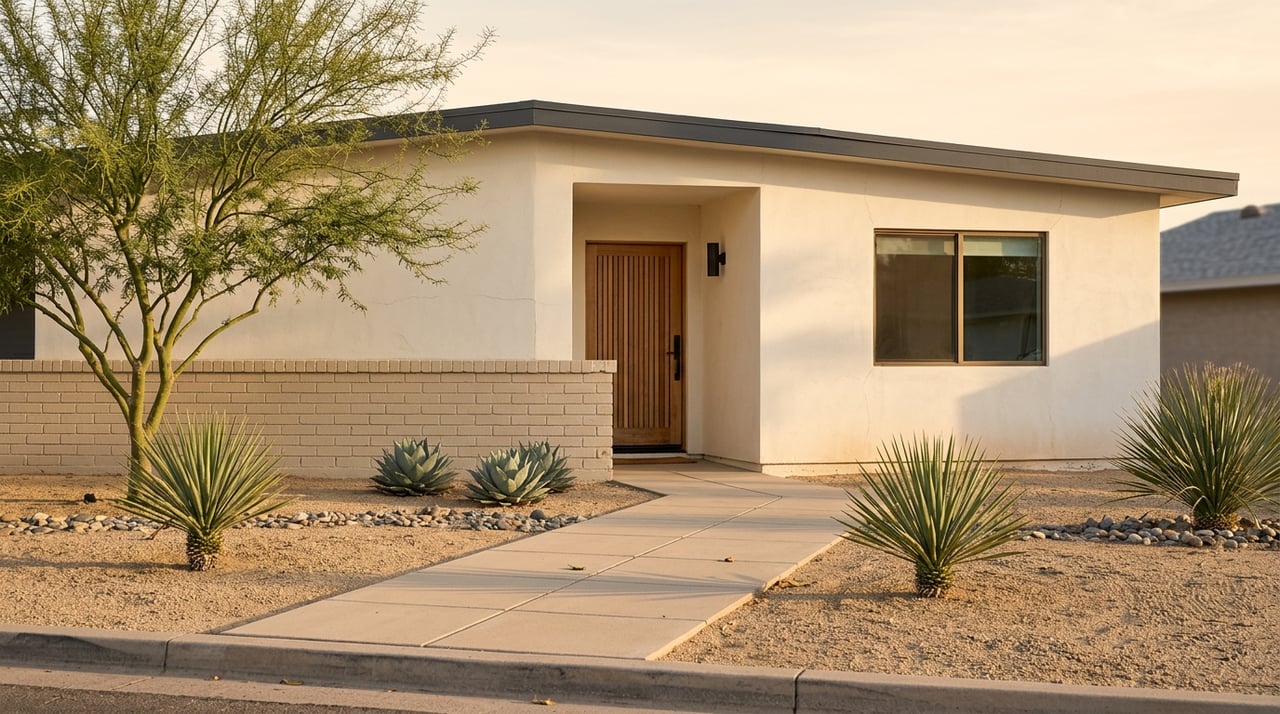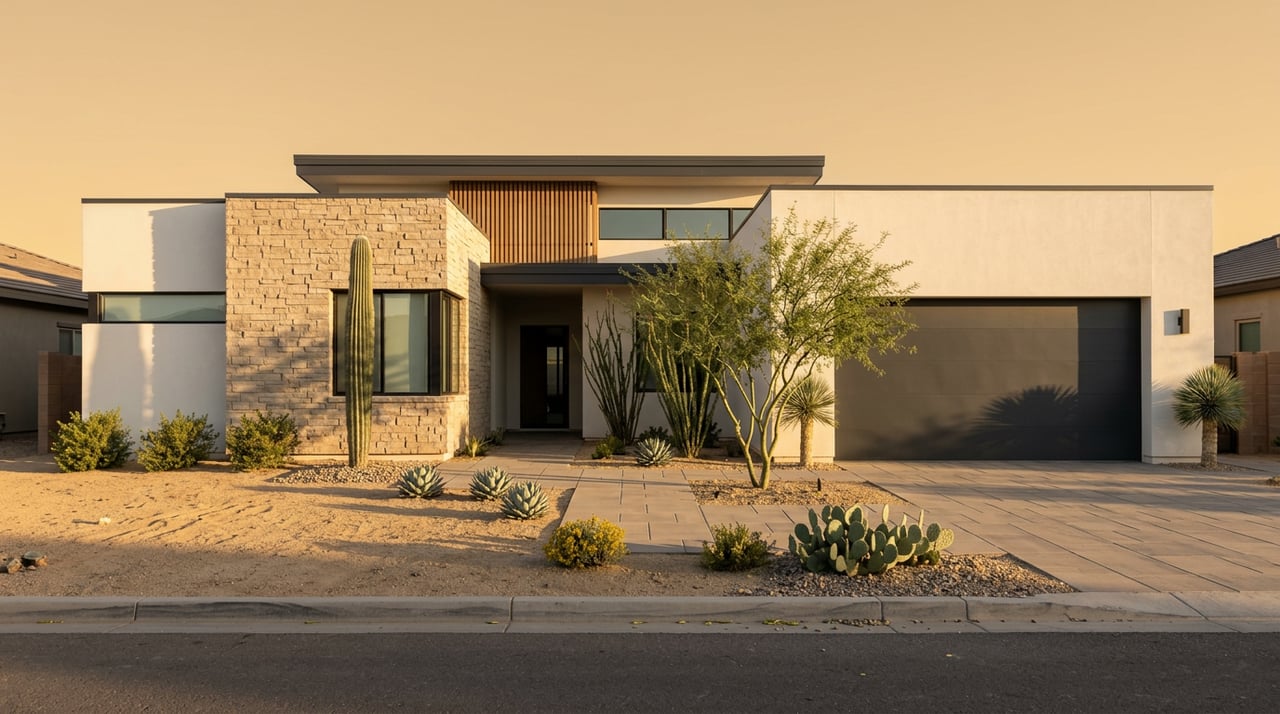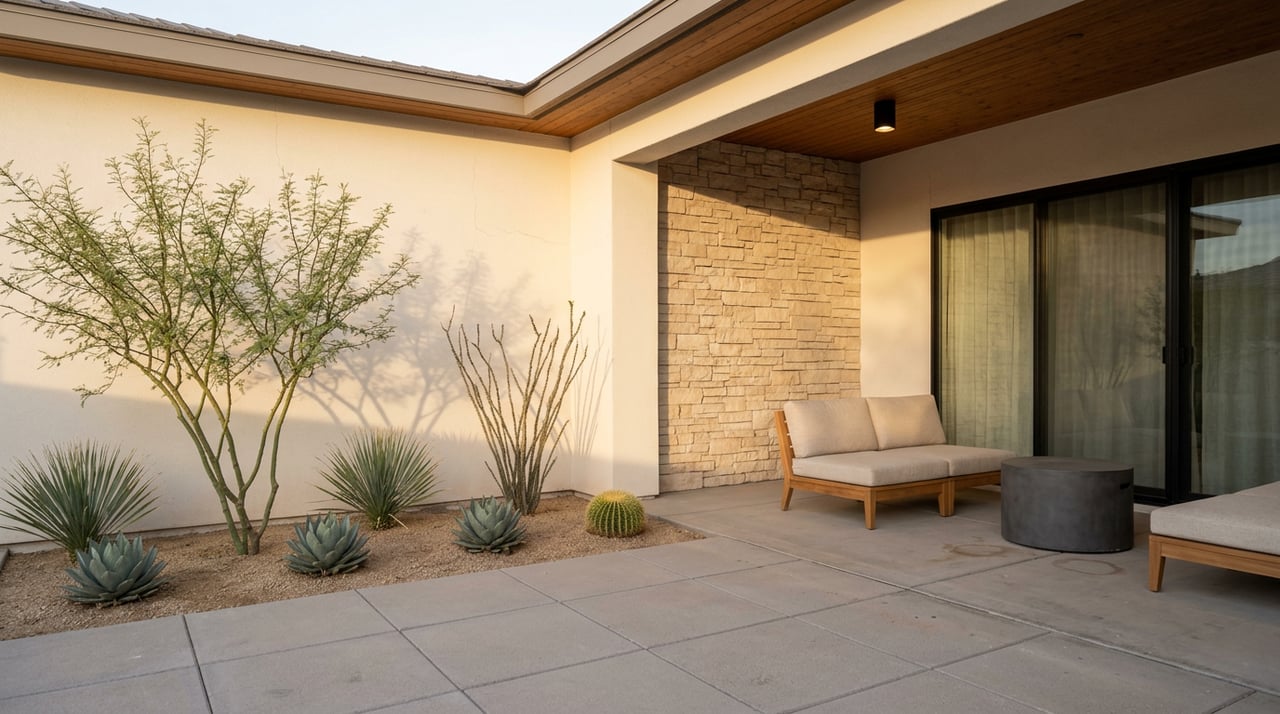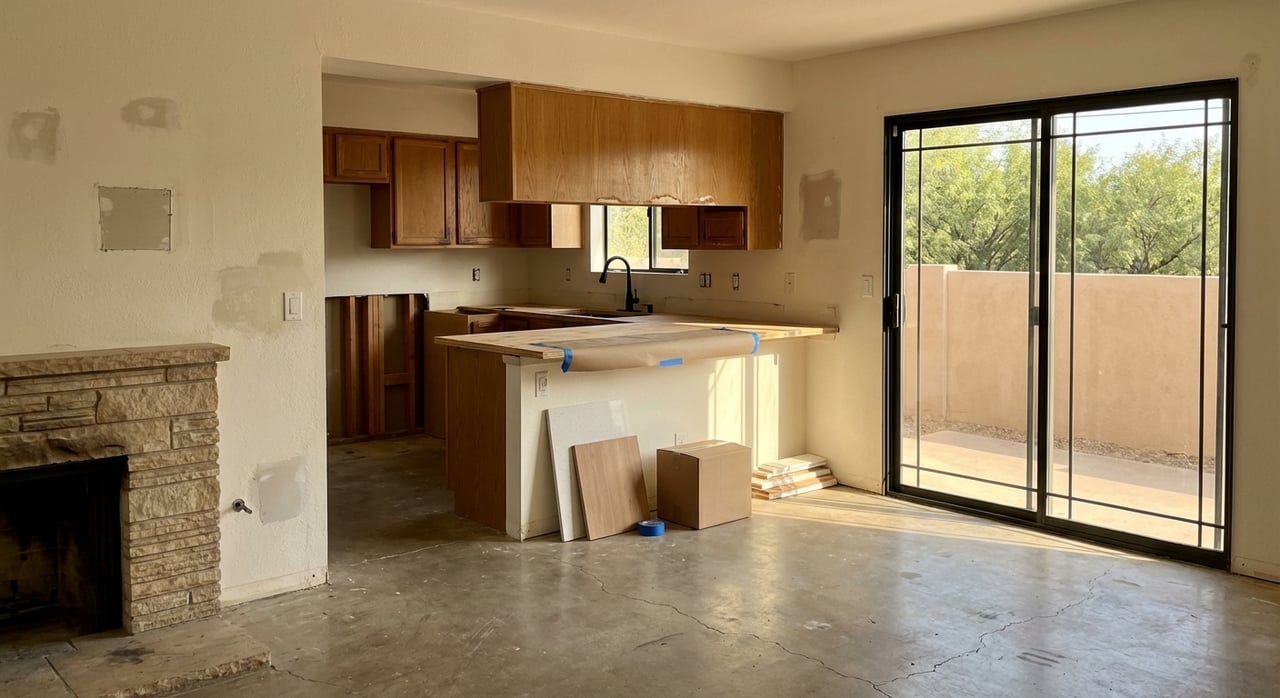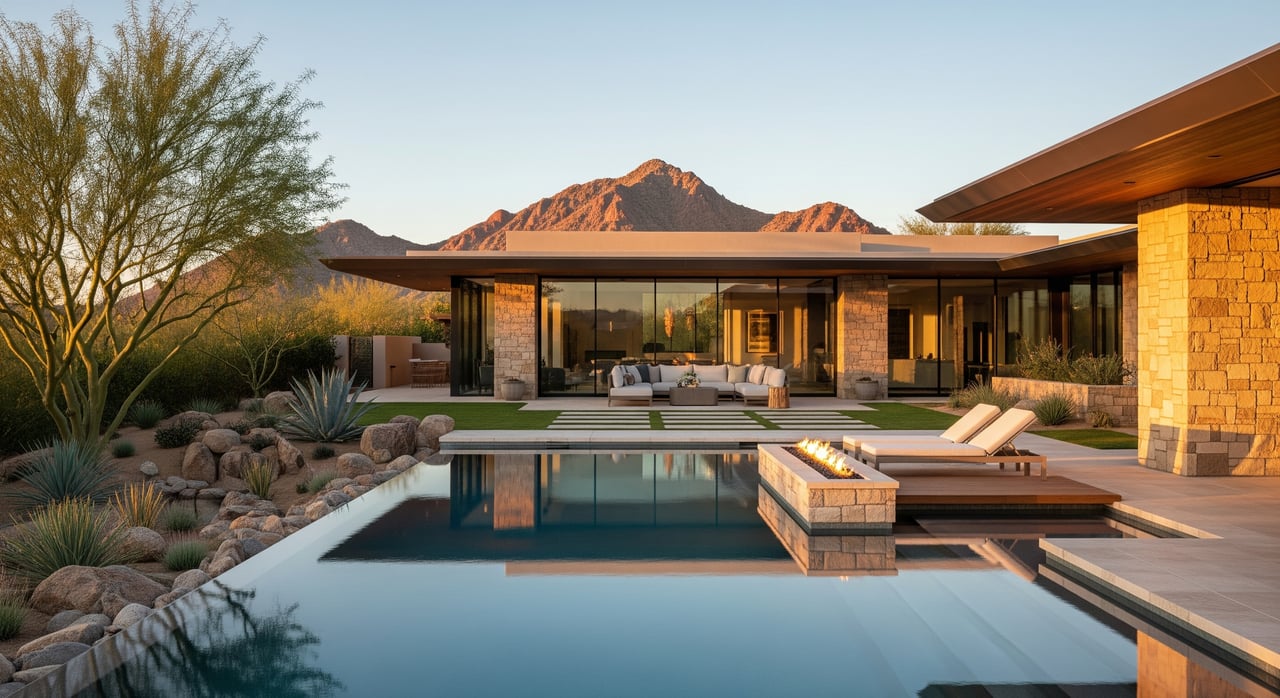
What makes a Paradise Valley home feel truly luxurious? It is more than a price tag. In this desert enclave, luxury lives in the land itself, the way views are framed, and how indoor and outdoor spaces flow with ease. If you are buying or selling here, understanding these value drivers helps you choose smarter and price with confidence.
This guide shows you what counts most in Paradise Valley. You will learn which features command premiums, how local rules and costs shape value, and practical steps to evaluate or position a property. Let’s dive in.
Paradise Valley luxury at a glance
Paradise Valley sits between Phoenix and Scottsdale, with a reputation for privacy, resort living, and large lots. Buyers come for mountain and Valley views, access to top dining and golf, and a lifestyle that favors outdoor living. Demand is steady among high‑net‑worth buyers who value space and discretion.
Typical buyers include executives, professional athletes, retirees, and out‑of‑state or second‑home owners. Transactions range from custom new builds and tear‑down rebuilds on premium lots to whole‑home renovations and occasional trophy estate sales. Price tiers vary over time, yet the core truth stays the same. Scarce lots with privacy and views keep setting the bar for luxury here.
The core value drivers
Lot size and topography
In Paradise Valley, the land is often the headline. Larger lots are a primary luxury marker. One acre or more allows long driveways, guest casitas, multiple outdoor rooms, and sport courts. Topography matters, too. Elevated sites and ridgelines that capture Camelback or Mummy Mountain views carry meaningful premiums. Orientation also counts. North‑facing views and smart sun exposure make indoor and outdoor areas more comfortable year‑round.
The bottom line is scarcity. Big, well‑oriented lots with protected views are limited. That scarcity drives premium pricing even when two homes offer similar interior finishes.
Views and sightlines
Mountain and skyline views are among the strongest premium drivers in Paradise Valley. Framed views of Camelback or Mummy Mountain, sunset angles, and nighttime Valley lights are showcased in top listings for a reason. Even partial views that are preserved through smart landscaping and elevation can lift value. When you weigh options, compare not just what you see today, but what can be protected over time by lot orientation and thoughtful design.
Architecture and systems
Local luxury leans into authenticity and indoor‑outdoor flow. You will see desert modern, contemporary Mediterranean, high‑end ranch, and bespoke modernist estates. Finishes and systems signal quality. Buyers expect chef‑level kitchens, custom millwork, spa‑style baths, flexible suites, and refined mechanicals.
Systems matter more than many people think. Reinforced foundations, advanced HVAC tuned for desert heat, EV‑ready electrical, whole‑home automation, and water‑efficient irrigation show up across true luxury. These details support comfort, reduce operating costs, and set listings apart at resale.
Outdoor living and resort features
Outdoor living defines the Paradise Valley lifestyle. Covered loggias, multiple seating zones, negative‑edge pools and spas, cabanas, outdoor kitchens, and curated fire features elevate everyday life and entertaining.
You can think about amenities in tiers:
- Luxury tier: Pool, outdoor kitchen, covered patio, upgraded landscaping.
- Estate tier: Several outdoor rooms, guest casita, pool with spa and water features, sport court or putting green, dedicated fireplace or fire pit.
- Trophy tier: Resort‑scale pool complex, full outdoor bar and kitchen, media areas, indoor/outdoor gym and spa spaces, separate staff or guest compound, and extensive service yards.
Privacy and security
Privacy is a central theme. Gated entries, long curving driveways, perimeter walls, and mature screening with trees and boulders all add perceived and real value. At the upper tiers, owners expect controlled access, robust security systems, and site planning that conceals service areas. Some enclaves offer gated community settings, while many properties sit on private lots without an HOA. Each path appeals to different buyers.
Functional amenities and sustainability
Practical luxury shows up in how a home works day to day. Look for multi‑car garages and motor courts, separate guesthouses, dedicated home offices, fitness and wellness rooms, wine storage, and high‑capacity kitchens. Sustainability is rising in importance. Energy‑efficient systems, solar readiness, water‑smart landscape design, and efficient pool equipment help comfort, stewardship, and long‑term costs.
How local rules shape value
Zoning, building envelopes, and hillside
Paradise Valley’s planning framework protects low density and the town’s desert character. Minimum lot sizes, setbacks, and hillside protections influence where and how you can build. This is part of why some lots are especially valuable. They may permit a larger compound, improved siting, or preserved view corridors. Custom builds and major renovations often require multiple reviews, so plan for longer lead times.
HOAs and deed restrictions
Many luxury properties sit on private lots with no HOA. That freedom enables more customization. Gated communities and subdivisions with architectural standards can command a premium for uniformity and security. Your preference will depend on how much structure you want and how you plan to use the property.
Taxes, utilities, and operating costs
Arizona offers lower property tax rates than many states, but absolute taxes rise with higher assessed values. Expect higher carrying costs for insurance, utilities, landscape and pool care, and on larger estates, potential staffing. Water use and efficiency are meaningful in the desert. Landscaping choices and pool features will affect both maintenance and monthly bills.
Short‑term rentals
Paradise Valley has stricter vacation rental controls than some nearby areas. If income potential is part of your plan, verify current town rules and any neighborhood restrictions before you buy. Rules change, and they can significantly affect your strategy.
Pricing and comparables
At the top end, homes are unique. Differences in lot size, orientation, view quality, and amenities make comps less precise. Appraisals rely on nearby view lots and recent trophy sales, which can be infrequent. Expect a wider band of negotiated outcomes and, for sellers, potentially longer marketing windows.
For sellers: position your property
You want buyers to feel the privacy, light, and flow the moment they arrive. Start with the land and views, then showcase how the home supports that lifestyle.
- Lead with the lot. Highlight acreage, orientation, driveway approach, and view corridors. If privacy is rare on nearby streets, say so clearly and factually.
- Elevate outdoor living. Stage multiple zones, refresh landscape lighting, service pool equipment, and highlight sunset or city‑light moments.
- Verify systems. Document HVAC age and capacity, smart‑home features, water‑efficient irrigation, and EV charging. Buyers pay up for confidence.
- Focus on high‑impact spaces. Update kitchen hardware or lighting, refinish outdoor surfaces, and refresh the primary suite for maximum first‑impression value.
- Tell a concise story. Position the property within its tier. Are you luxury, estate, or a rare trophy candidate based on lot and views? Align list price and marketing narrative with that tier.
When considering renovations versus a rebuild, weigh your lot’s potential. On top‑tier lots, a rebuild can unlock the highest return if siting improves views or allows a better footprint. On other properties, targeted, high‑quality updates deliver a stronger cost‑to‑value outcome.
For buyers: evaluate like a local
Luxury value in Paradise Valley is a matrix of land, sightlines, and function. To compare homes, step through these checkpoints:
Start with the site. How large is the lot, how usable, and what is the true privacy level from patios and primary rooms? Walk the perimeter and look out from key windows.
Rate the views. Prioritize quality and preservation potential. Consider future landscape growth and nearby build envelopes that could affect sightlines.
Test the flow. Open doors, walk indoor/outdoor transitions, and check shade patterns on patios at different times of day.
Inspect systems. Confirm HVAC zones, insulation, automation, irrigation efficiency, pool equipment, and EV readiness. Strong systems protect your comfort and resale.
Map the rules. Review zoning, any hillside overlays, and CC&Rs or HOA guidelines. If you plan changes, confirm what is allowed and typical review timelines.
Match amenities to lifestyle. Decide whether you need a guest casita, gym, or motor court. Do not pay for features you will not use if they limit budget for a better lot or view.
Smart trade‑offs to consider
- View vs. footprint: A modest footprint on a premier view lot often outperforms a larger home on a weaker site at resale.
- Outdoor program vs. interior upgrades: In this market, well‑designed outdoor living can beat incremental interior square footage.
- HOA structure vs. design freedom: Gated uniformity and amenities appeal to some buyers, while others will value the flexibility of non‑HOA properties.
Your next step
In Paradise Valley, luxury is defined by the land, the view, and how the home supports a desert lifestyle. If you are planning to list, lead with privacy, orientation, and outdoor living, then prove your systems. If you are buying, prioritize site and sightlines before finishes. With a clear plan, you will make confident decisions at any price tier.
Ready to evaluate your options, price a listing, or explore private opportunities? Connect with MCK Partners for a tailored consultation and on‑the‑ground guidance.
FAQs
What defines a luxury home in Paradise Valley?
- Large, well‑oriented lots, protected mountain or Valley views, refined indoor‑outdoor living, privacy features, and high‑quality systems and finishes.
How much do mountain views impact value in PV?
- Views are a top premium, often paired with lot size and privacy; a slightly lesser view on a larger, private lot can outperform a small lot with a stronger view.
Do HOAs increase or decrease luxury value?
- Both scenarios exist; gated HOAs can add uniformity and security, while non‑HOA lots offer design freedom that many luxury buyers prefer.
What outdoor amenities matter most to PV buyers?
- Heated or negative‑edge pools, covered loggias, outdoor kitchens, spa areas, and thoughtful lighting and landscaping that balance privacy with low water use.
Should I renovate or rebuild a PV property?
- It depends on the lot’s potential, view improvements, budget, permitting timelines, and carrying costs; top‑tier lots often justify a rebuild.
How do local regulations affect what I can build?
- Zoning, setbacks, and hillside protections set the building envelope and review process, which influence siting, massing, and view preservation.
Why are luxury comps harder to pin down in PV?
- Unique lots, view quality, and amenity differences reduce direct comparables, which widens pricing bands and can extend marketing timelines.